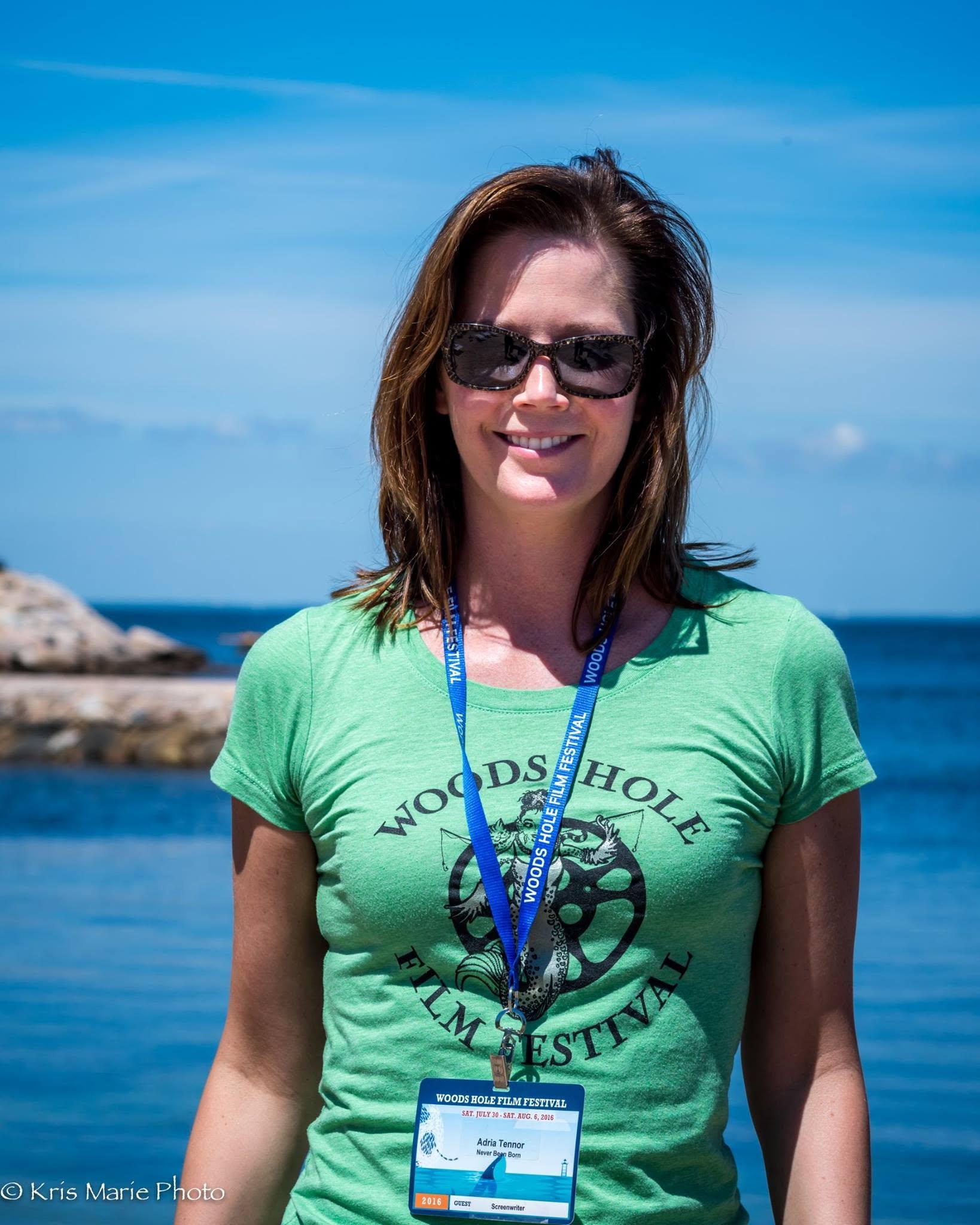
Adria Tennor at the Woods Hole Film Festival - Photo by Kris Marie
About ten years ago I was on a bus from Woods Hole to Boston. A filmmaker named Michael Afendakis and I had both been at the Woods Hole Film Festival, and somewhere along the way we got talking.
Before we got off the bus, I said: "Write me a part."
He said: "Okay."
(That's how I remember it, anyway. It was a decade ago and there was a bus involved, so the details are a little soft-focus.)
This month, we shoot Indistinct Chatter, the short film he wrote for me.
Ten years. Four words. One very long callback.
When I tell this story, people hear "ask." And yes, ask. But the ask is maybe ten percent of why this happened. The other ninety percent is the part nobody puts on a networking-for-actors listicle, so let's talk about it.
I've said "write me a part" to a lot of filmmakers
Here's the unglamorous truth: I've said it to a LOT of filmmakers. I make my own films, so I've spent a lot of time in festival screening lobbies next to talented people, and I say it to pretty much all of them.
Usually it's a nice moment and that's the end of it.
That's normal. Most asks go nowhere, and it's not because the filmmaker didn't mean "okay." It's because nobody can write for an actor they don't really know. A writer has to hear your voice in their head when they sit down at the page. A five-minute conversation at a festival doesn't put it there.
What happened in the ten years in between
Michael and I kept in touch. He came to see my work. I went to see his. Nobody was keeping score. We just kept showing up for each other.
Then this January, he sent me an email: a script, and a role he'd written for me.
I didn't need to read it to say yes. I read it anyway (I'm an actor, not an animal). Then I said yes.
The ask alone isn't what got me this part. The decade in between did: going to his screenings, letting him see my work, staying a real person in his life instead of someone who wanted something from him. When he sat down to write, I wasn't a stranger from a bus. I was an actor he'd watched work.
Networking for actors is really about being seen working
Most networking advice for actors is about meeting people. Go to the mixer, take the workshop, get in the room. Meeting people is fine. But a handshake doesn't tell anyone what you can do.
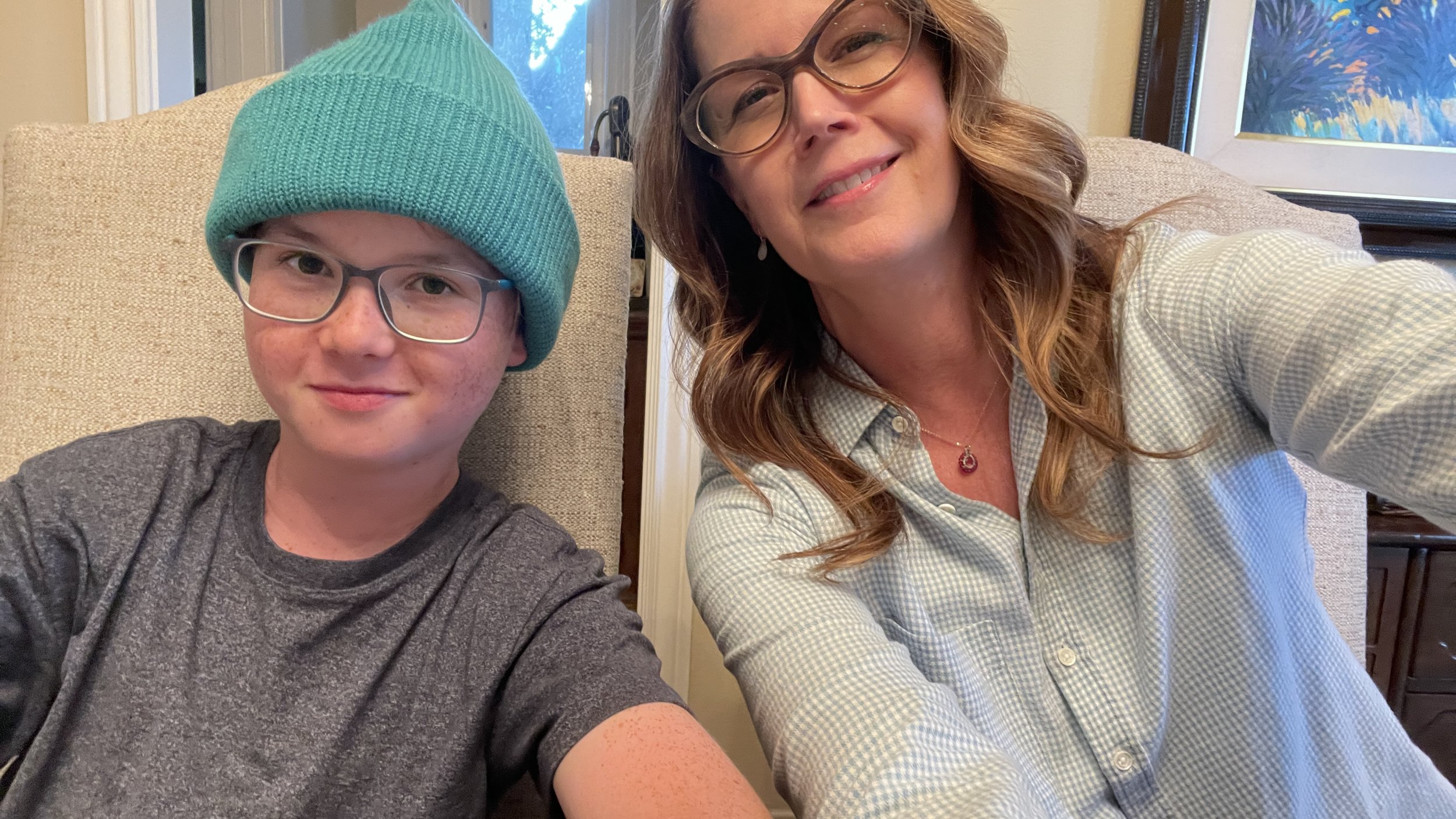
Jacob Crosson & Adria Tennor at rehearsal for Indistinct Chatter
What made the difference with Michael wasn't that we'd met. It was that he'd seen me work, over and over, for years. By the time he wrote the part, he wasn't taking a chance on me. He already knew what I'd bring.
That's true well beyond indie film. If there's something you're capable of that nobody has seen you do, then as far as the industry knows, you can't do it. Filmmakers, reps and casting all work from the evidence in front of them. The friend writing a short is no different. They write for the actor they can picture, and they picture the work they've watched.
So the real question isn't "Who should I meet?" It's "Who has actually seen what I do?"
How to plant the seed (and keep showing up)
Say it out loud. The ask is the easy part. It's free! Say it to the talented people around you: the writer in your class, the director whose short you loved, the friend who won't stop talking about her pilot. Make the beautiful thing, and put me in it.
Show up for their work first. Go to the screening. Watch the short they sent you. Then tell them what landed, specifically. Filmmakers remember who actually watched.
Let them see yours. Invite them to the play. Send the short you're proud of. Make it easy for them to know what you do, not just who you are.
Stay a real person. Check in when you don't need anything. The relationship is the point, not a means to the point.
Don't keep score. Some seeds take ten years. Some never come up at all. Plant a lot of them.
Voice actors, this one's yours too
Audio drama writers, animators, game devs and podcasters with a fiction itch all write parts for voices they know. Same rules: say it out loud, listen to their work, and let them hear yours.
Where I am right now
Real-life check-in, as I write this in November 2026: I'm not nervous so much as busy. Prepping a role while working full time and teaching meant filming a big pile of course lessons ahead of time, so I can edit them at night and between setups.
We shoot over two weekends, with Thanksgiving weekend off in the middle (thank you, scheduling gods). I'm going back and forth to Northern California, and I'll prob be Instagramming the whole thing, so follow along here if you want the behind-the-scenes.
Plant the seed. Then keep showing up.
The ask is four words. The relationship is the decade. Both matter, but only one of them is up to the filmmaker.
So: who's the creator in your life you should be saying it to? Go tell them.
Part of being an actor someone can picture in a role is having materials that show what you actually do. That's the work of Casting DNA™, my 90-day program that helps actors find their casting identity in the work they've already done, then build two scenes that prove it.
Want stories like this in your inbox? I send one to actors every Tuesday. Subscribe here.
